Why Is My Sand Filter Pressure High?
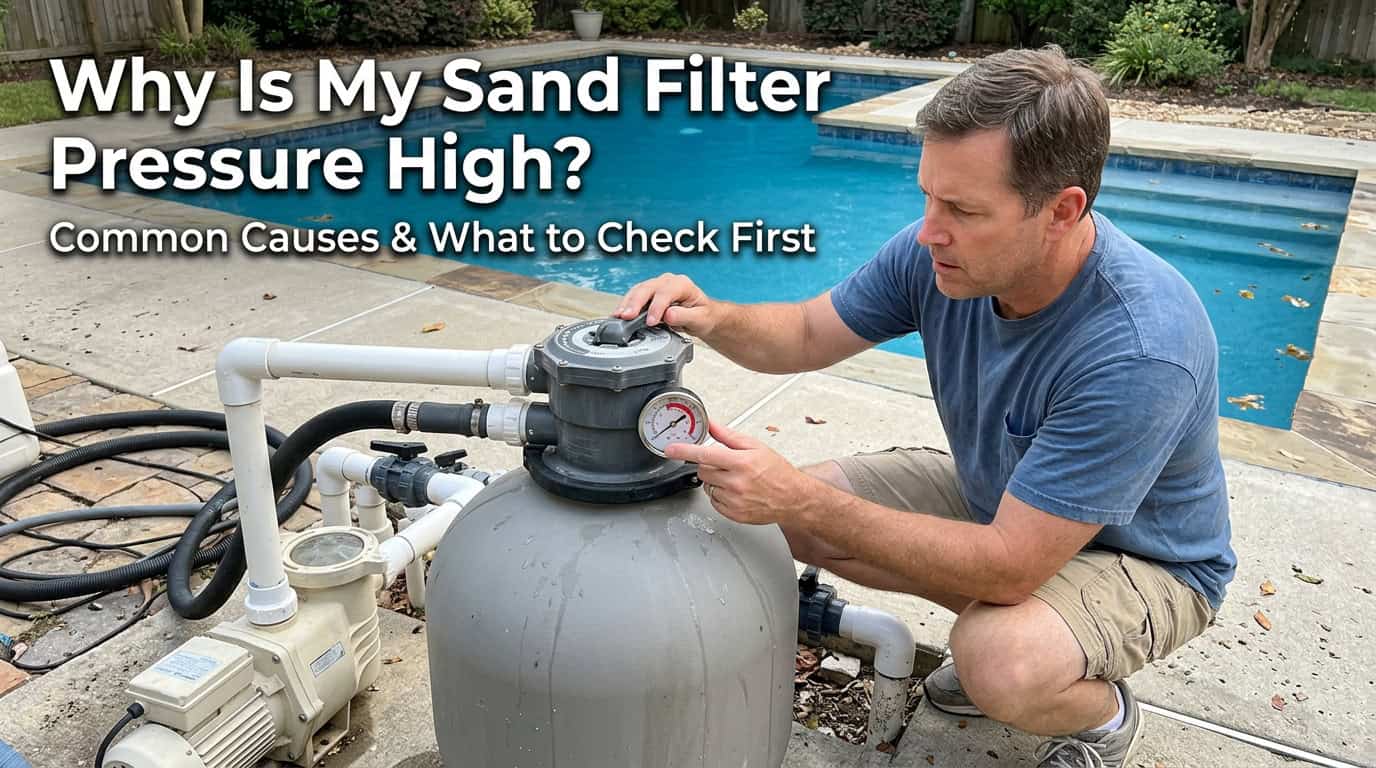
High filter pressure is completely normal, right up until it isn’t. Pressure is supposed to rise as your filter media catches debris; that’s the filter doing its job. The real question is what to do when backwashing doesn’t bring it back down, and that’s where most guides stop short.
What Counts as High – Know Your Baseline First
Clean sand filters typically run 8-15 PSI, depending on your specific filter and pump size. The number that actually matters isn’t the absolute PSI, it’s the rise above your filter’s own clean baseline. Backwash when pressure climbs 8-10 PSI above that clean reading, typically every 2-4 weeks in normal swim season. Never let pressure exceed 20 PSI above baseline; that level of stress risks damaging pump seals or cracking the filter tank.
Step 1: Backwash Properly (Most Cases Stop Here)
The majority of high-pressure situations are simply a dirty filter doing exactly what it’s supposed to. Backwash for a full 2-3 minutes, watching the sight glass until the water runs clear, not just until it looks better. Follow with a 30-60 second rinse cycle. Skipping the rinse or stopping backwash too early is one of the most common reasons pressure stays elevated, the filter never actually got clean.
If Pressure Is Still High After a Proper Backwash
This is where it gets more specific, and where most basic guides leave you stuck. Work through these in order:
Too Much Sand in the Filter
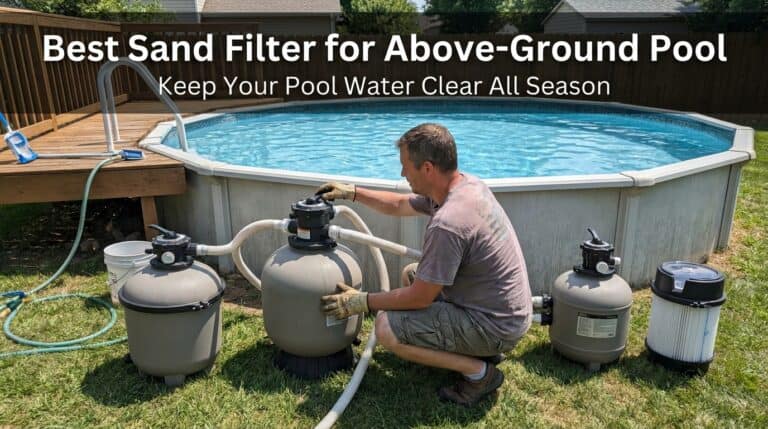
Overfilling the tank restricts flow and creates backpressure regardless of how clean the sand is. Check your filter’s specified sand quantity against what’s actually in the tank. Our sand filter buying guide covers correct sizing if you’re not sure what your model calls for.
Old or Worn Sand Causing Channeling
Sand filter media should be replaced every 3-5 years. Worn sand grains lose their sharp edges over time and can clump together, letting water carve a permanent path (called channeling) straight through the bed instead of filtering evenly across the whole surface. Channeled sand can show high pressure and poor filtration at the same time, since most of the water is bypassing the media entirely.
Pump Too Powerful for the Filter
If a pump was upgraded without upgrading the filter to match, the stronger flow can overload the filter’s rated capacity and drive pressure up regardless of how clean the media is. Check your pump’s flow rate against your filter’s rated maximum.
Partially Closed Return Valve
A valve that isn’t fully open on the return side restricts outflow, which shows up as elevated pressure on the gauge even though the filter itself is clean. Check every valve in the return path is fully open.
Mineral or Calcium Buildup in the Sand Bed
Certain sanitizers and hard water can leave mineral deposits that backwashing alone won’t remove. If pressure stays high despite a proper backwash and the sand isn’t old enough to need full replacement, try removing the top inch of sand and replacing it with fresh sand of the same amount, this sometimes clears deposits that a plain backwash can’t touch.
Clogged Breather Tube or Cracked Valve
Most filters have a small breather tube that purges trapped air at the top of the tank; if it’s clogged, trapped air can contribute to inflated pressure readings. Separately, a cracked multiport valve casing leaking water is a repair, not a backwash issue, inspect the valve body for visible cracks if pressure won’t budge and you notice any water where there shouldn’t be any.
Common Mistake: Turning the Valve Under Pressure
Sand filter multiport valves use a rubber spider gasket that seals each port. Rotating the valve handle while the pump is running tears that gasket, always stop the pump first before changing valve position. A replacement gasket is inexpensive; the labor to access and replace it is the expensive part.
Frequently Asked Questions
Why is my pressure still high after backwashing?
The most common reasons: the backwash wasn’t run long enough (should go until the sight glass runs clear, at least 2-3 minutes), the sand has channeled from age or wear, or there’s too much sand in the tank. Work through the causes in this guide in order rather than repeatedly backwashing the same way and expecting a different result.
How often should I replace filter sand?
Every 3-5 years under normal use. Signs it’s time sooner: persistently high pressure despite proper backwashing, a noticeably shorter backwash cycle than it used to take, or visible clumping when you check the sand.
Is high filter pressure actually dangerous?
It can be, if it climbs unchecked. Staying more than 20 PSI above your clean baseline risks damaging pump seals or, in worse cases, cracking the filter tank. Treat consistently rising pressure as something to address promptly, not something to ignore until it becomes a bigger repair.
Bottom Line
Start with a proper full backwash and rinse cycle, that resolves most high-pressure situations on its own. If pressure stays elevated afterward, check sand quantity and age first (the two most common remaining causes), then work through valve position, pump/filter size matching, and mineral buildup. A cracked valve or persistent channeling from old sand are the two outcomes that typically require replacing a part rather than just cleaning one.
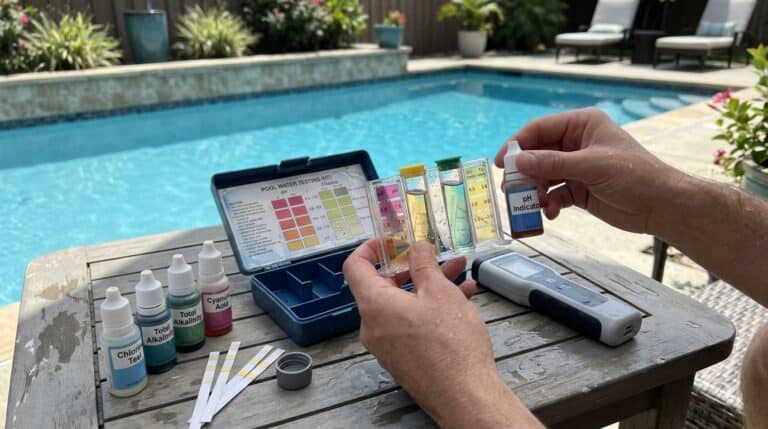
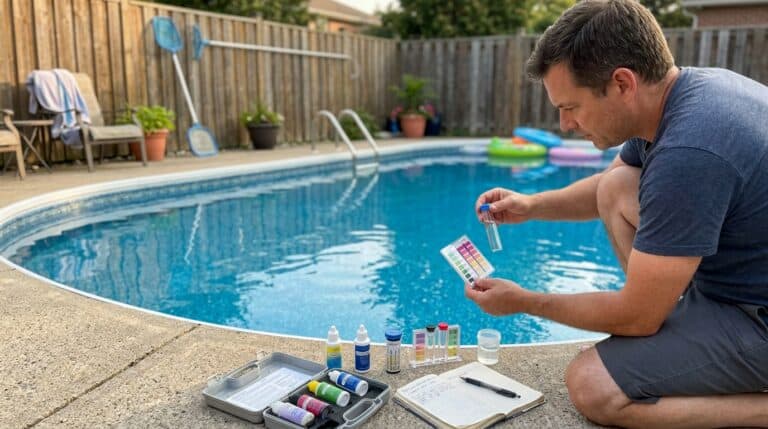
Persistent high pressure paired with cloudy water is worth checking against your actual water chemistry too – see our guide on how to test pool water at home.